
Stop Holding People Accountable – Start Gaining Commitment
Let’s talk about team accountability—especially when it’s not working.
If you’ve ever said, “We’ve got to start holding people to account,” or heard similar frustrations echoed across your workplace, you’re not alone. Many Australian organisations struggle with team accountability, and the results are frustrating: missed deadlines, unclear roles, and a culture of finger-pointing.
But here’s the real issue:
It’s not about accountability—it’s about commitment.
The Real Secret to Accountability Culture
Most leaders see accountability as a reaction to failure—something to enforce after things go wrong. But by then, it’s too late. You’re managing excuses and conflict instead of improving team results.
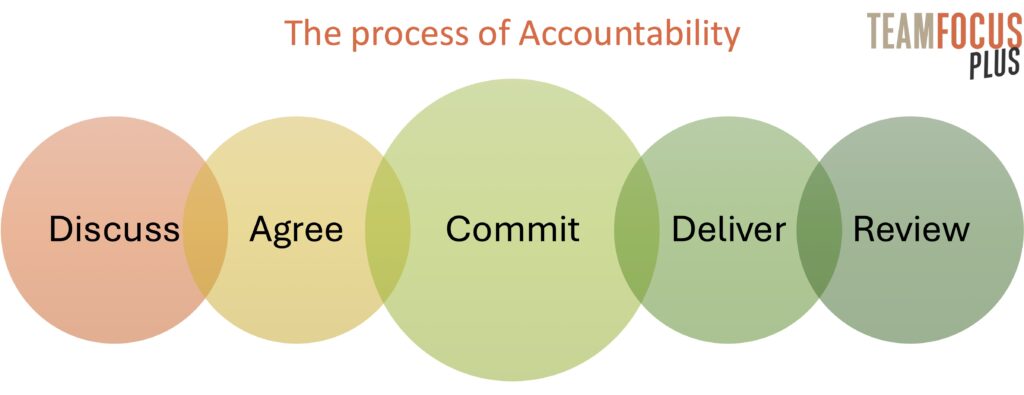
To build true accountability culture in the workplace, you need to shift the mindset. Accountability doesn’t begin after failure—it begins before the work starts.
Tip: Clarity First, Commitment Second
To build workplace ownership and hold teams accountable the right way, start with these 3 questions:
What exactly is the task?
When will it be done?
What does success look like?
Have your team answer these questions out loud. When people speak their commitment, they internalise it. This clarity in expectations leads to real ownership.
Now you’re not chasing them. You’re checking in on their commitment—on their terms. That’s far more powerful.
From “Holding Accountable” to Building Responsibility at Work
This proactive approach helps teams take real ownership of their outcomes. It strengthens communication, builds trust, and transforms culture.
Rather than enforcing accountability from the top down, you’re empowering people to step up from within. This shift—building responsibility at work instead of demanding it—changes everything.
And If They Still Don’t Follow Through?
That’s a coaching moment. When someone fails to deliver even after a clear agreement, it opens the door to deeper reflection. What’s really going on? Do they need support, feedback, or a mindset shift?
Our performance coaching tips and leadership coaching Australia programs help leaders navigate these moments with empathy and structure.
The Takeaway
Stop “holding” people accountable. Start gaining commitment.
Use coaching in the workplace to invite ownership.
Focus on clarity and alignment before the work begins.
Build an accountability culture where responsibility is owned, not imposed.
Want to learn more about team accountability in Australia?
Check out our Accountability Workshop or Leadership Development programs.
📞 1300 551 274
📧 team@teamfocusplus.com
Let’s build a culture of responsibility, clarity, and real results—together.